




- HMM-00 König Wolf
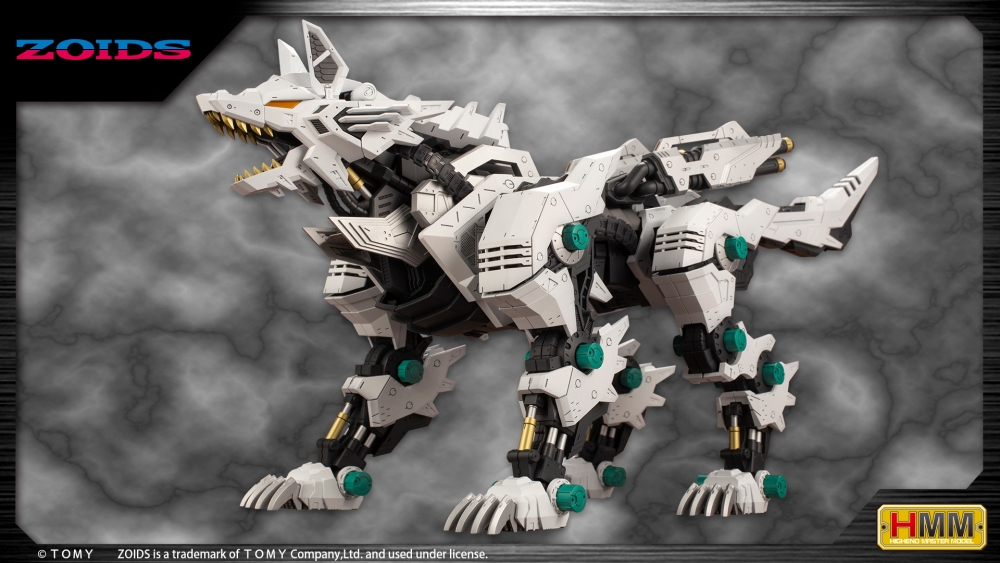
Release Date: July 2023
Retail Price: 12,000 yen
Parts: 335
- Stock Images
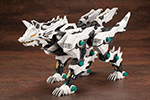
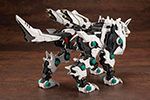
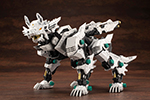
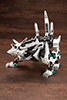
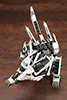
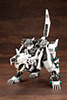
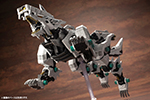
- Prototype Images
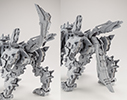
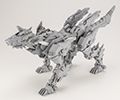
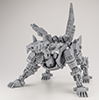
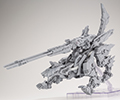
- Introduction
A new generation, high-speed Zoid that holds the key to victory in the war on the Dark Continent of Nyx!
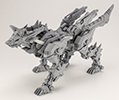
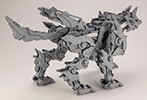
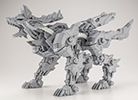
⚫A constant favorite in wishlist surveys, the Wolf Type Zoid König Wolf is finally joining the HMM Zoids lineup!
⚫Masashi Katahira has given this Zoid a fearless new HMM look that also blends nicely with its original design.
⚫The new design and separation of parts make it not only easy to color-code and assemble but also put into intimidating, action-packed poses.
⚫Add the Helic Republic's new legendary white wolf, the king of wolves, to your collection today!
- Gimmicks
⚫ The cockpit hatch on the head can open and close, and holds the included pilot figure.⚫ The headgear allows for both forward and back movement as well as unobstructed left and right neck movement even when it's not deployed.
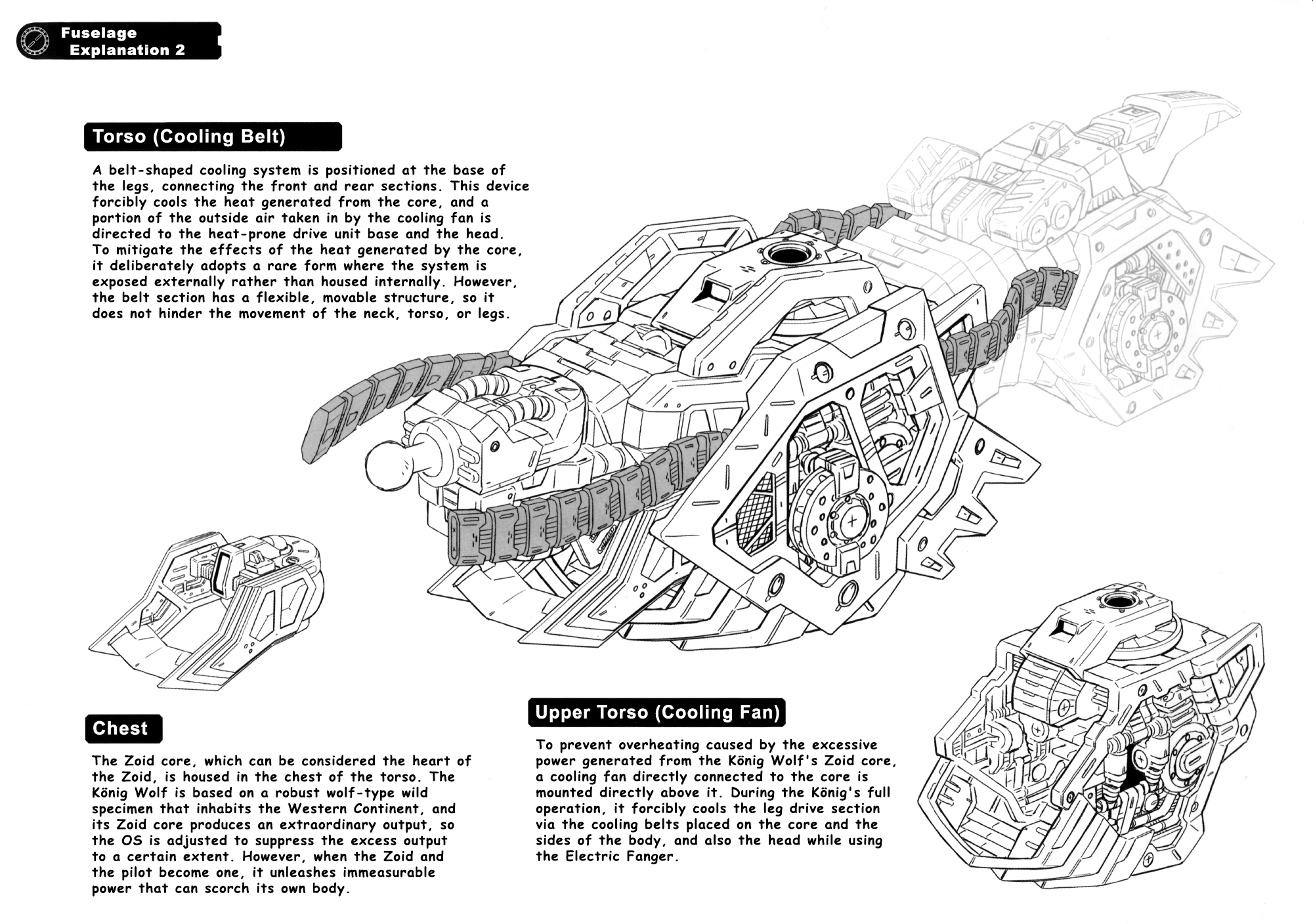
⚫ The cables that run from the head to the chest and the chest to the waist are made of soft material.
⚫ The Zoid Core inside the chest is removable.
⚫ The back features 5mm hardpoints by default. Different armor can be attached, including customized parts sold separately.
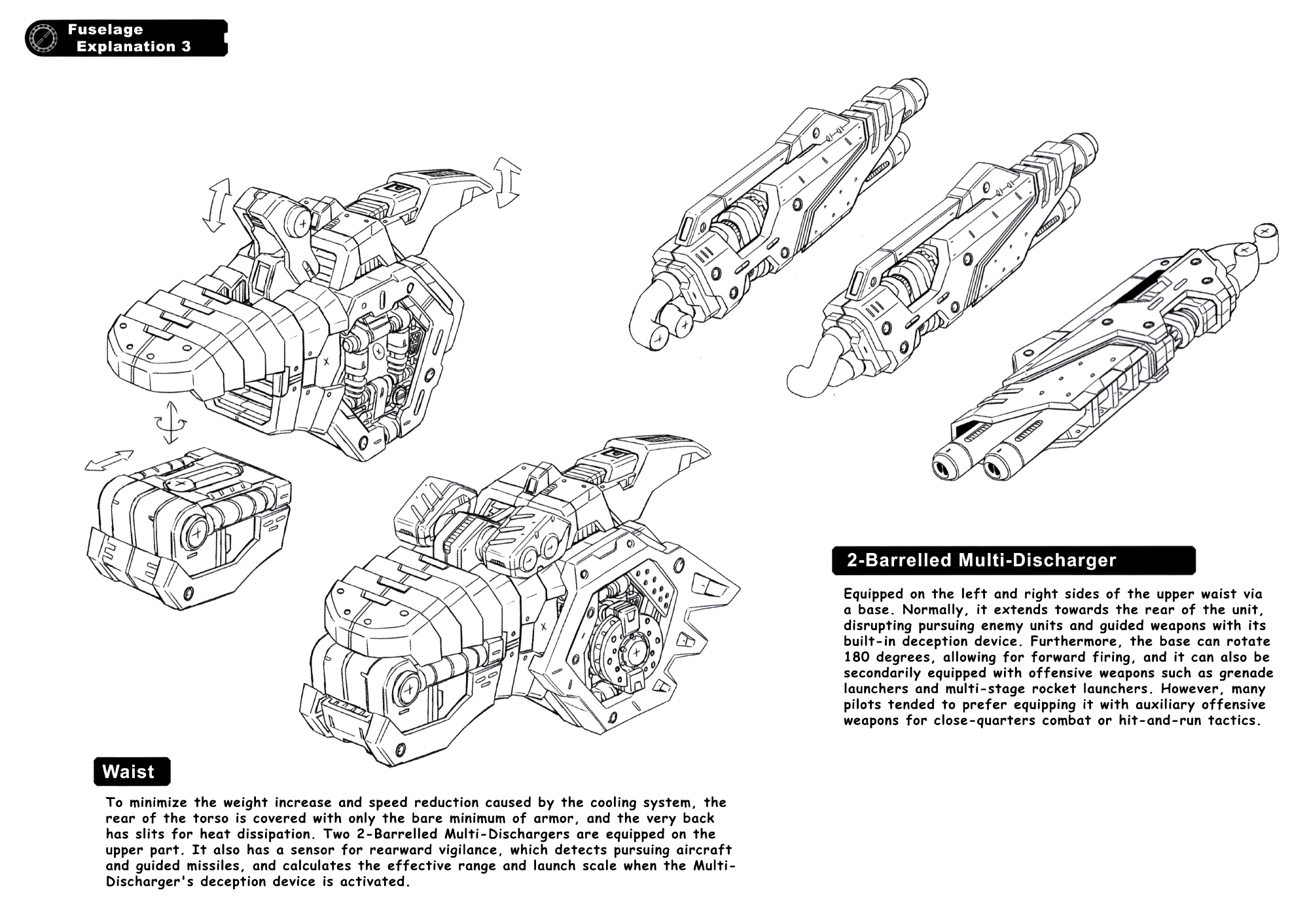
⚫ The base of the Double Barreled Multi-Dischargers can be raised and the guns can be deployed on either side. They can also move up and down.
⚫ A 5mm connection point compatible with the separately sold Flying Base Neo is provided in the lower part of the abdomen, allowing the model to be displayed in action poses.
⚫ A large selection of newly created decals for emblems and caution marks are included, so users can fine-tune the look of their Zoid!
Further Viewing:
- Technical Data
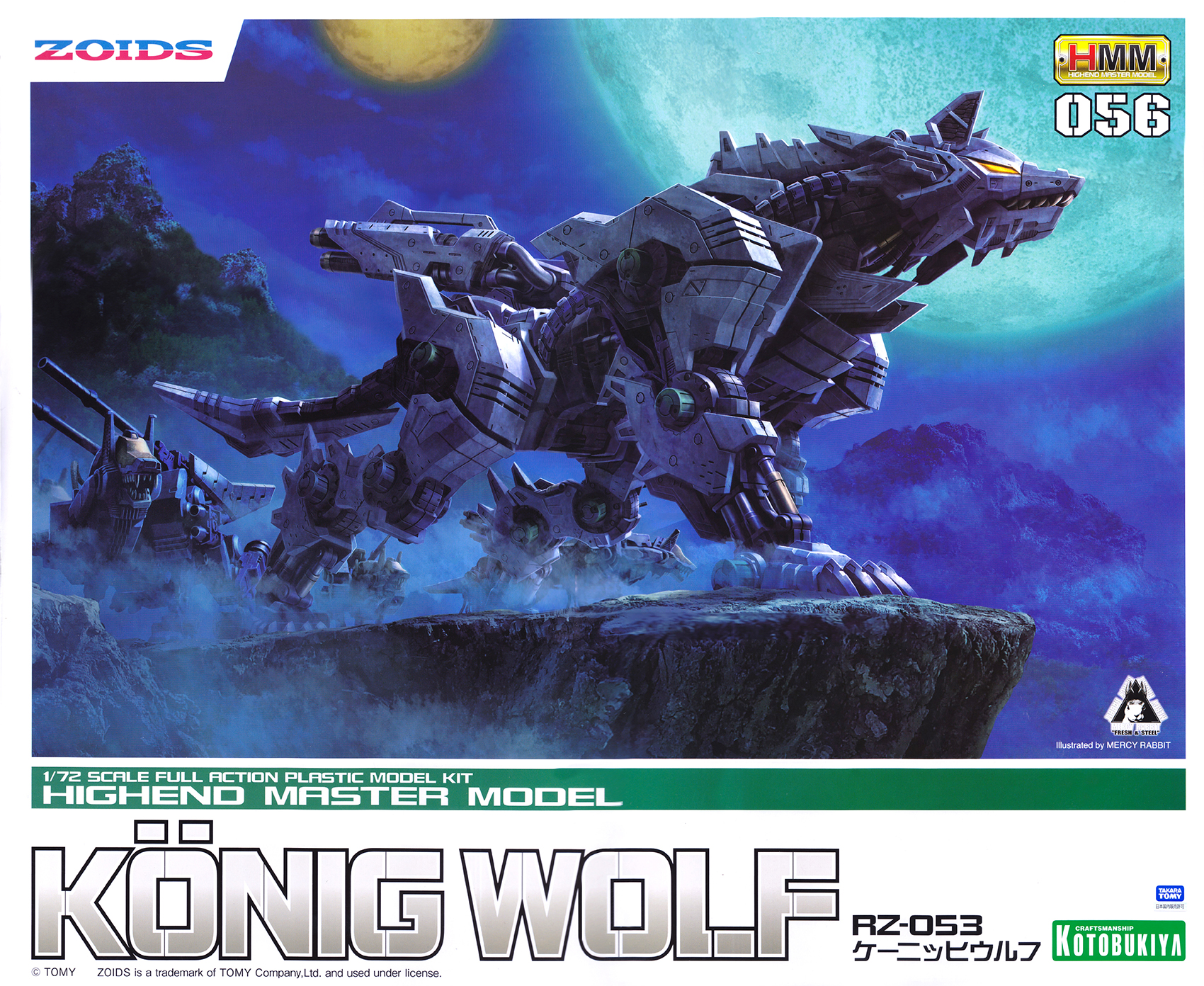 Stats:
Length: 21.24 m
Height: 8.64 m
Weight: 90.5 tons
Maximum Speed: 290 km/h
[Weapons]
Electron Bite Fangs (Teeth)
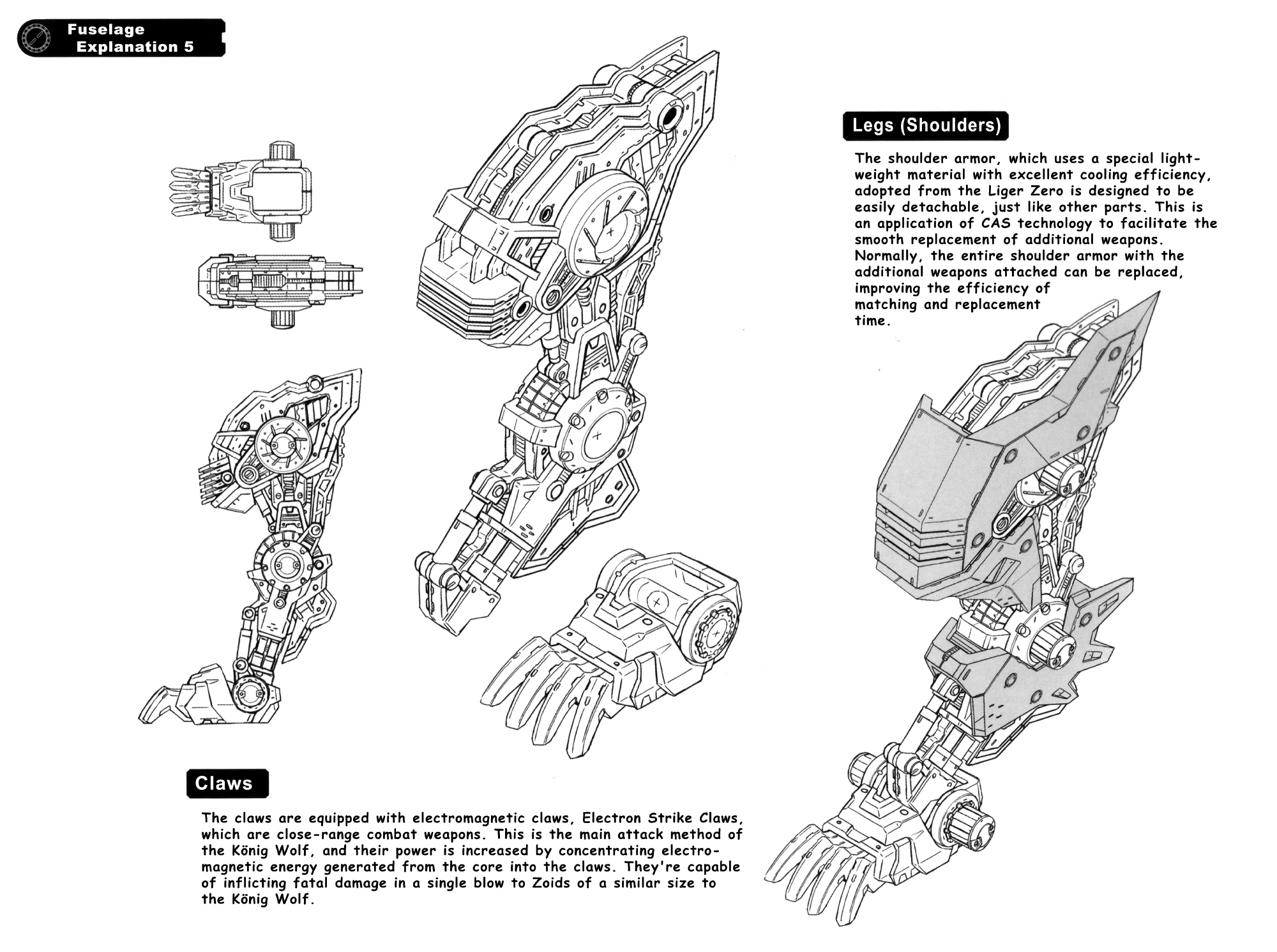
Electron Strike Claw x4 (Claws)
[Equipment]
2-Barrelled Multi Dischargers (Lower Back)
3D Radar / Multi Ear Sensors (Ears)
Composite Sensor (Nose)
Cooling Belt x2 (Sides, Neck)
Cooling Fan (Upper Back)
Headgear (Infrared Camera / Dual Scope for precision shooting (Head)
[Features]
Cockpit (Head)
Zoid Core (Chest)
- Release Notes
- Rereleased in November 2024History of the König Wolf
The Intensifying War
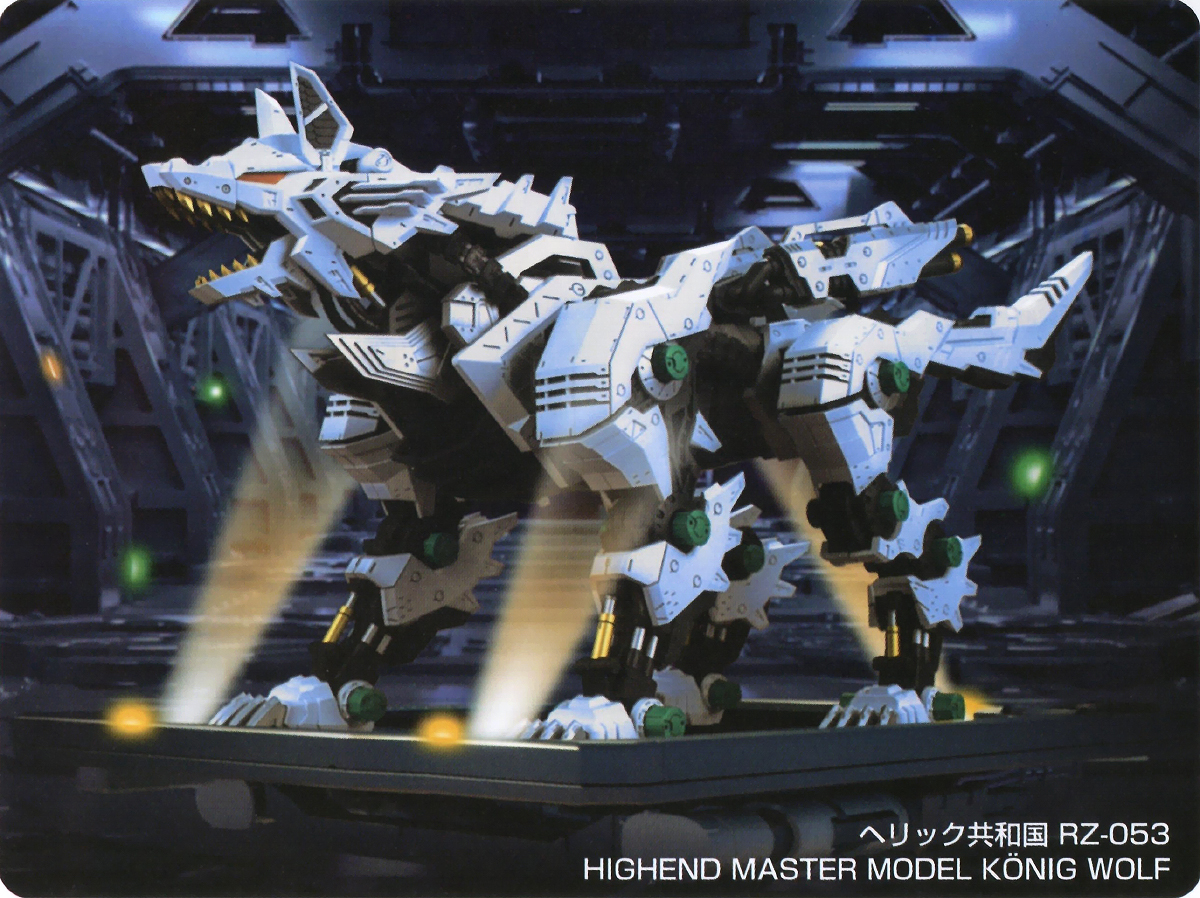 On the distant Planet Zi, metal lifeforms known as "Zoids," boasting exceptional combat capabilities, reigned supreme as the main force in warfare. The Helic Republic, a power located on the Central Continent near the planet's center, had been engaged in a war for over 50 years against the Guylos Empire, a power located on the dark continent in the planet's northwest. In the Western Continent War, which erupted in ZAC 2099, the war initially favored the Empire, but the massive counterattack by the Republic forces forced the Imperial Army to retreat from the Western Continent.
The most significant feature of the Western Continent War was the birth of Zoids utilizing the "Organoid System," an advanced technology of the Ancient Zoidians discovered in this region. The Organoid System (hereinafter referred to as the OS) abnormally activated the Zoid core, the very heart of the Zoid, not only enhancing existing Zoids but also leading to the creation of next-generation Zoids developed specifically with OS enhancements in mind. As a result, most of the older Zoids that had been active until then became obsolete, and it was no exaggeration to say that the deployment of next-generation Zoids determined the outcome of battles on the front lines.
The most active Republic Zoid at the start of the Western Continent War was the Shield Liger, a lion-type Zoid developed during the previous Great War. Through the application of OS technology seized from the Empire by the intelligence department, the Shield Liger was enhanced and improved, giving rise to the next-generation Zoid, the Blade Liger.
Furthermore, the mantle of the main high-speed Zoid was passed on to the Liger Zero, a completely new type of Zoid based on wild specimens inhabiting the Western Continent. The Liger Zero possessed a level of potential far exceeding that of previous Zoids, and with its "Changing Armor System" (hereinafter CAS), which allowed its exterior armor to be completely swapped out, it was developed to handle all kinds of battle situations — high-speed combat, close-quarters combat, and artillery support — making it, in a sense, an incredibly extravagant Zoid. Even the Liger Zero, despite its impressive capabilities, wasn't without its limitations. Due to its ultra-high-performance design, mass production was impossible, and to master piloting it required ace-level skills. Therefore, a support Zoid to assist the Zero was absolutely essential.
Since the era when the Shield Liger was active, the go-to support Zoid for the Liger series was the high-speed wolf Zoid, the "Command Wolf." Considered a bestseller among small, high-speed Zoids, it boasted exceptional search and reconnaissance capabilities, served as a scout and provided support fire for units, and possessed formidable close-quarters combat abilities, making it a highly versatile and advanced Zoid for its time. Even 47 years after its initial rollout, during the Western Continent War, modernized versions continued to be mass-produced and deployed to the battlefield. However, in the later stages of the Western Continent War, when both sides introduced new Zoids equipped with advanced operating systems, the Command Wolf was no longer able to cope with the escalating intensity of the battles.
The Limitations of the Command Wolf
The Liger Zero, the main force of the Republican Army's High-Speed Force, uses a rare and resilient lion-type wild species from the Western Continent as its base, making individual capture extremely difficult. Furthermore, the introduction of a complex conversion system inflated manufacturing costs to more than three times that of the Blade Liger. Therefore, the number deployed was extremely small, and its deployment was limited to elite units fighting on the front lines and a select few ace pilots capable of handling the Zero.While the accompanying high-speed Zoid, the Command Wolf, which was mass-produced to compensate for this, had been enhanced and improved into the Attack Custom, the performance gap against the Empire's new Zoids using OS technology had widened to the point of becoming reckless. The fox-type Shadow Fox, a candidate for a new Zoid to accompany the Zero, was also deemed not cost-effective, and the mass deployment plan for them was abandoned. Following the success of the Blade Liger, plans to enhance other Republic Zoids using OS technology naturally arose. However, with the Command Wolf, even a prototype redesigned from scratch with OS integration in mind, based on a wolf-type wild species from the Central Continent, failed to meet the target specifications, and the plan was abandoned.
In ZAC 2100, a turning point suddenly arrived. The Republican Army acquired new technology from a Liger Zero prototype captured from the Empire. The Republic development team immediately restarted the Command Wolf enhancement plan using know-how from the Liger Zero, but the system couldn't be fully integrated into the Command Wolf's already maximized capabilities. Its performance remained largely unchanged from conventional CP-equipped Zoids, so all improvement plans for the Command Wolf itself were scrapped. The high level of perfection of the Command Wolf ironically became a source of difficulty for the development team. The only remaining possibility was to develop a completely new Zoid from a newly discovered robust wolf-type wild species on the Western Continent.
The Birth of the König Wolf
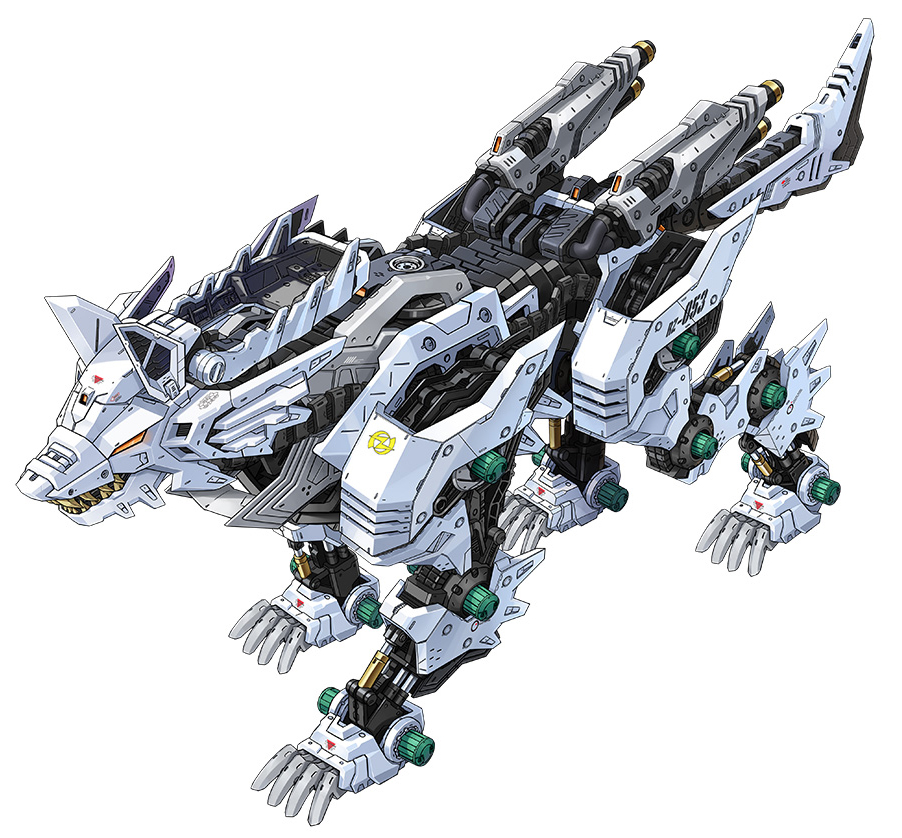 The wolf-type wild Zoids inhabiting the Western Continent were significantly larger than the wild Zoids used for the Command Wolf, possessing a robust body, a powerful Zoid core, and above all, the potential to become a formidable Zoid. This led the project to prioritize adding pure high-speed capabilities to compensate for the shortcomings of the Liger Zero, rather than developing a successor to the Command Wolf.
The Liger Zero's biggest drawback was that its interchangeable armor system (CAS), while a strength, required either dedicated facilities or a massive mobile fortress Zoid for operation. Considering the supply materials (more than four times that of a normal Zoid) and the personnel involved, the cost of keeping a single Zero fully operational was literally astronomical. Therefore, it was quickly decided to retain the Zero's know-how in using completely wild Zoids, but to eliminate the complex CAS. The goal was to create a Zoid that was complete in its basic form, reverting to the traditional method of equipping weapons according to the battle situation.
The exploration and reconnaissance capabilities of the Command Wolf were further enhanced, and the ability to track enemy stealth Zoids using optical camouflage (a weakness of the Zero) and precision long-range firing capabilities were included as standard features. Combining the know-how from all previously developed prototypes, a completely new wolf-type Zoid prototype was finally born. The Republican Army immediately began mass production plans, even before extensive operational testing.
However, the synergistic effect of the robust wolf-type wild Zoid from the Western Continent and the OS-driven core activation far exceeded the development team's expectations, leading to a serious problem of overheating and frequent malfunctions during full operation. While detuning was suggested to ensure stability, losing the power and mobility comparable to the Liger Zero was an unacceptable option for the development team, given the long development period and research costs invested. Therefore, a massive cooling fan directly connected to the Zoid Core was installed on the upper back, and lightweight, highly efficient cooling armor materials used in the Zero were employed, along with a partially detachable armor design for easy maintenance.
Furthermore, a special cooling system was routed along the outside of the torso to supply forced cooling air from the fan to the base of the front and rear leg drive systems. This was a desperate measure to prevent the cool air from the fan from coming into contact with the heat generated by the Zoid Core, and it adopted an unusual belt-like shape to avoid interfering with leg movement. Prioritizing cooling efficiency resulted in a relatively thin armor on the torso, but the added equipment still increased the overall weight. Moreover, the top speed dropped to the bare minimum level for a Zoid accompanying the Zero. However, the mobility and potential of the wolf-type wild specimen was deemed more than sufficient to compensate for this, and ultimately, by concentrating armor on the areas most prone to damage, they barely managed to achieve weight reduction and a top speed of 290 km/h. Thus, the prototype wolf-type Zoid, incorporating a proposal from the Imperial engineer involved, was named the König Wolf: The King of Wolves.
Risks in Exchange for Performance
The completed König Wolf, while inheriting the know-how of the Liger Zero, abandoned the interchangeable weapons system, resulting in a basic form that was extremely simple, equipped only with close-combat weaponry. Its most distinctive feature was the headgear equipped on its head, designed to accommodate additional weaponry. This headgear, which also serves as additional head armor, was equipped with a night-vision camera linked to the main camera and a dual scope for precision shooting, commonly known as the Triple Scope. With this equipment, the König Wolf possessed the ability to perfectly track and target even stealth Zoids using optical camouflage in the darkness of night. It also enabled precision shooting and long-range sniping with the dedicated additional weapon, the Dual Sniper Rifle, and area suppression through multi-target lock-on with the AZ 5-Shot Missile Pods.Since these additional weapons become dead weight in close-quarters combat, the system was designed to allow for quick removal of the weapon mounts to transition to close-combat mode. For close-combat performance, the Electron Strike Claws equipped on its legs were its main means of attack. This was an experimental piece of equipment that concentrated the enormous power generated from the core into electromagnetic energy in the claws, increasing destructive efficiency.
Its ultimate attack, named the Electric Fanger, used the Electromagnetic Fangs, concentrating all of its electromagnetic energy into the fangs for a single powerful strike. This attack possessed enough power to inflict fatal damage even on giant Zoids. Although extreme functional degradation resuling from energy depletion was expected following the attack, the plan was to mitigate this risk by employing a hit-and-run tactic. However, this prediction was quickly overturned by an accident that occurred shortly after its deployment.
A fatal accident occurred when a prototype König Wolf, piloted by an ace pilot in the operational testing unit, malfunctioned after using the Electric Fanger and became stranded in the middle of the battlefield. Fortunately, the pilot and his damaged Zoid survived thanks to support from their allies, and the development team immediately conducted a thorough analysis. The results revealed that the Electric Fanger, when unleashed in a state of extreme mental synchronization between the pilot and the Zoid—a phenomenon known as "Synchro"—drew out potential beyond its limits, causing an unexpected strain on the Zoid core and leading to overheating that exceeded the cooling capacity. However, this was deemed a very rare case, and the development team concluded that it could be sufficiently prevented by limiting the frequent use of the Electric Fanger.
They implemented a mechanical limit on the number of uses and extended a forced cooling belt to the head to reduce the risk of malfunction. Additionally, for use primarily during battlefield withdrawal, a 2-Barrelled Multi-Discharger, similar to that of the Command Wolf, was mounted on the rear of the fuselage. This included various countermeasures and deception devices depending on the situation, such as a function to widely disperse smoke screens to obstruct enemy vision, chaff and flare dispensers to disrupt infrared tracking and radar detection, and stun grenades to disorient the enemy with explosive sounds and flashes of light, all as standard equipment to increase the Zoid's survival rate.
Despite these extensive safety measures, the decision to frequently use the Electric Fanger was ultimately entrusted to the pilots of the König Wolf, due to numerous requests from frontline pilots. This was a testament to their resolve to fight alongside their Zoids, and became a double-edged sword, a fate seemingly bestowed upon the König Wolf. Then, in ZAC 2101, coinciding with the König Wolf's deployment, the war situation shifted dramatically. The Republic Army won the Western Continent War and finally landed on the Dark Continent, the enemy's stronghold. There, an even more intense and all-out war would unfold. With the full moon at its back, the noble King Wolf, accompanied by Command Wolves, descended upon the Dark Continent. The battle of the Republic Army's latest high-speed Zoid, the König Wolf, was about to begin.
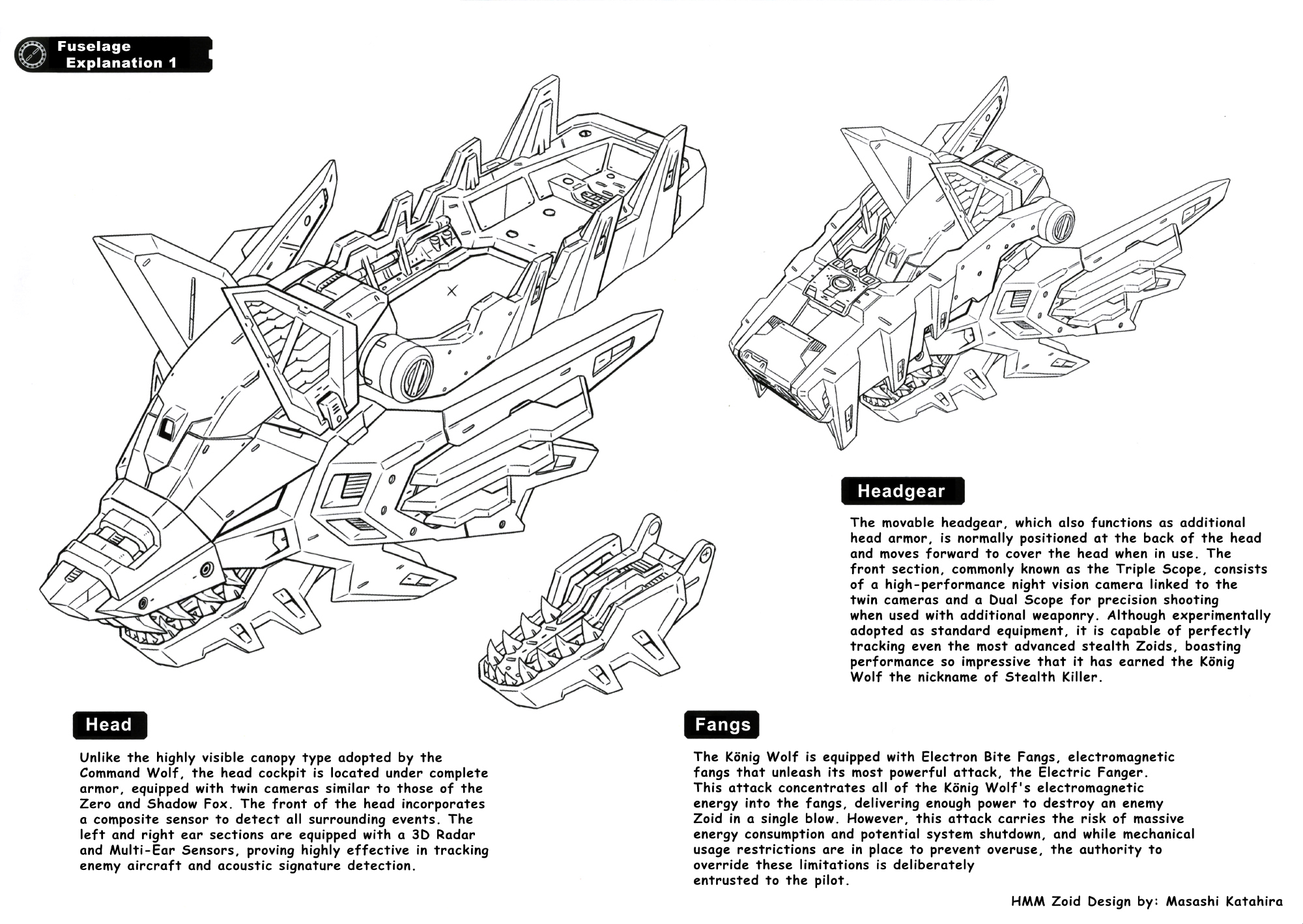
- Fuselage Commentary
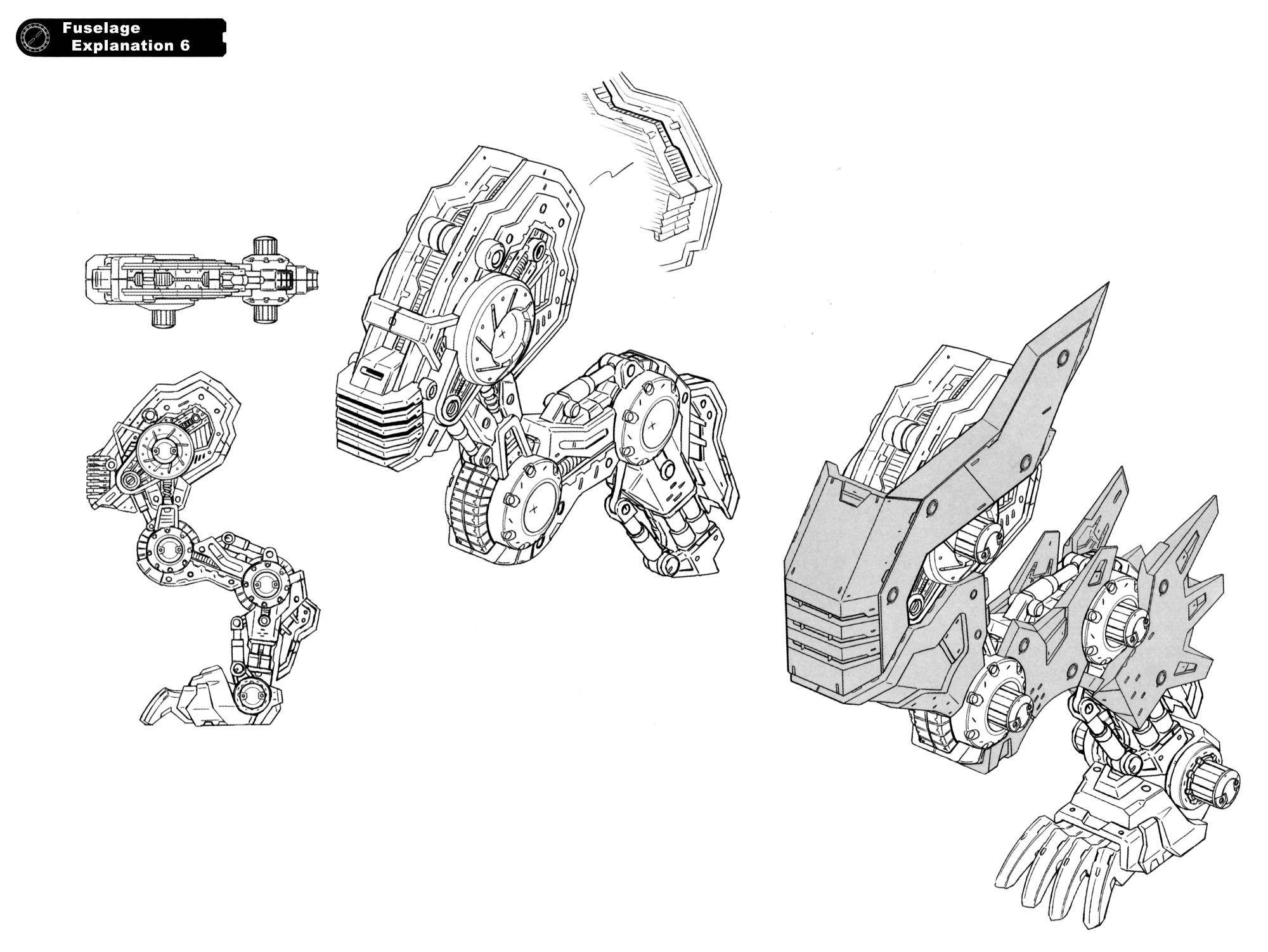
- Extra Details
|
|
- Box Art Concepts
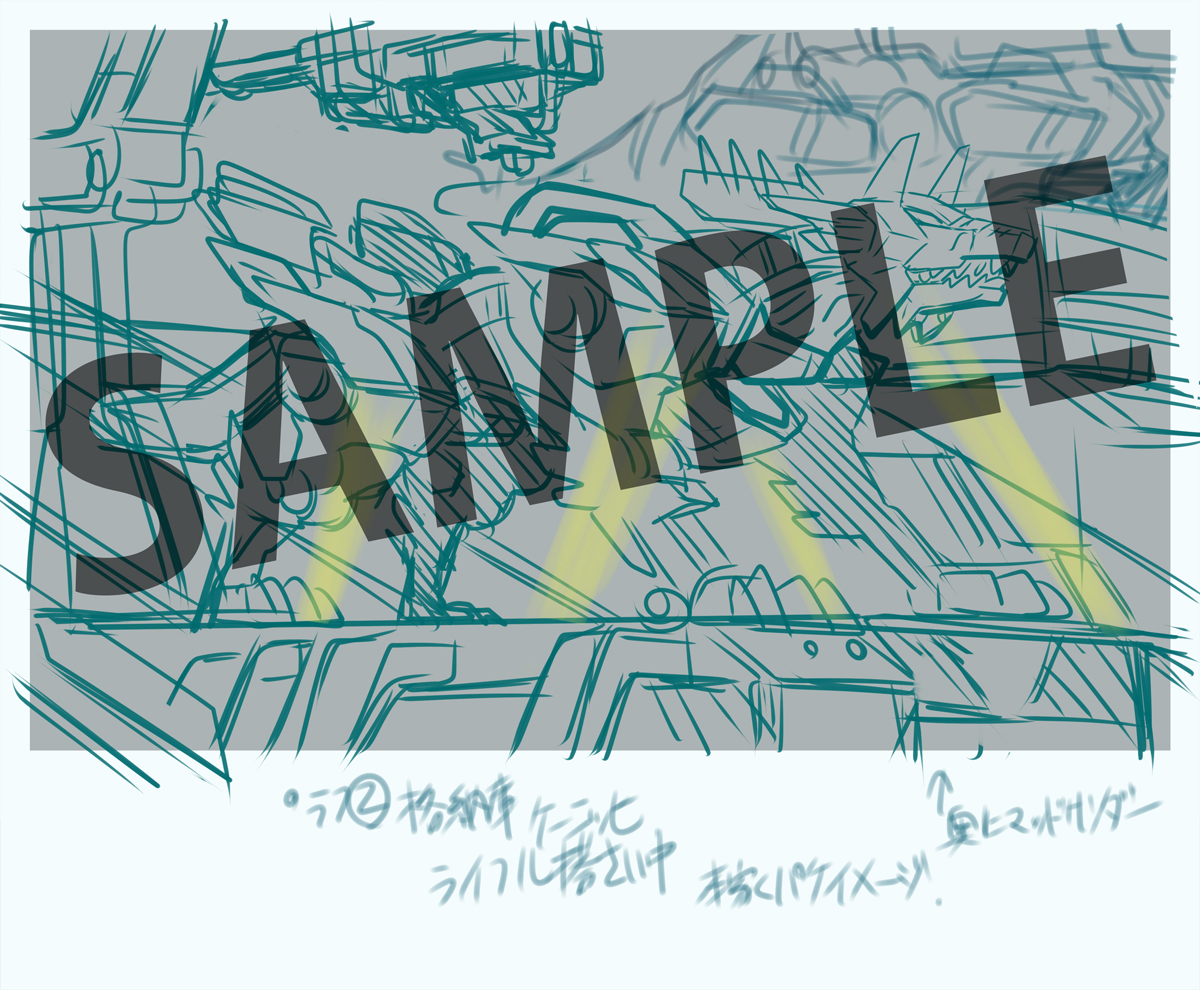
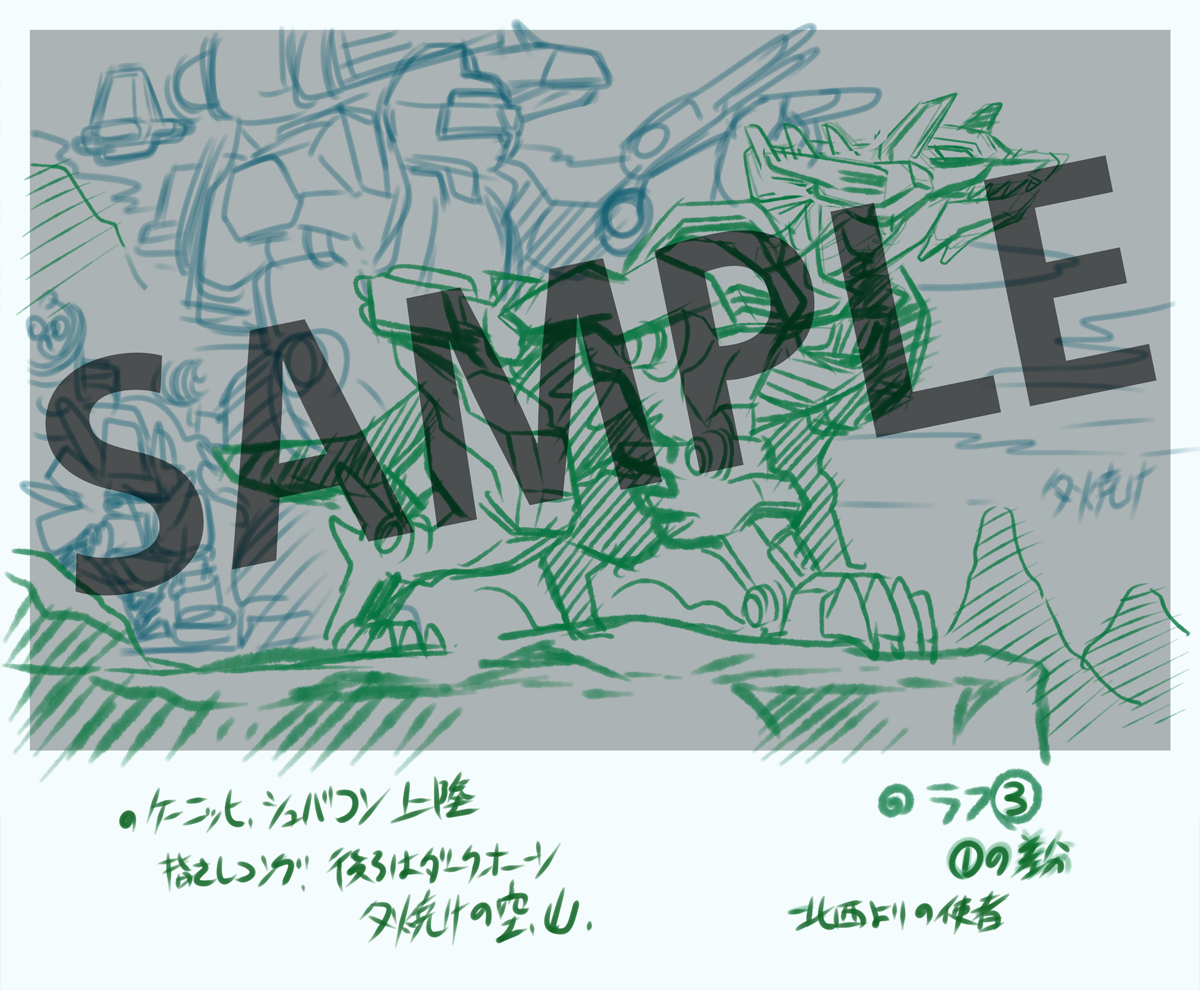
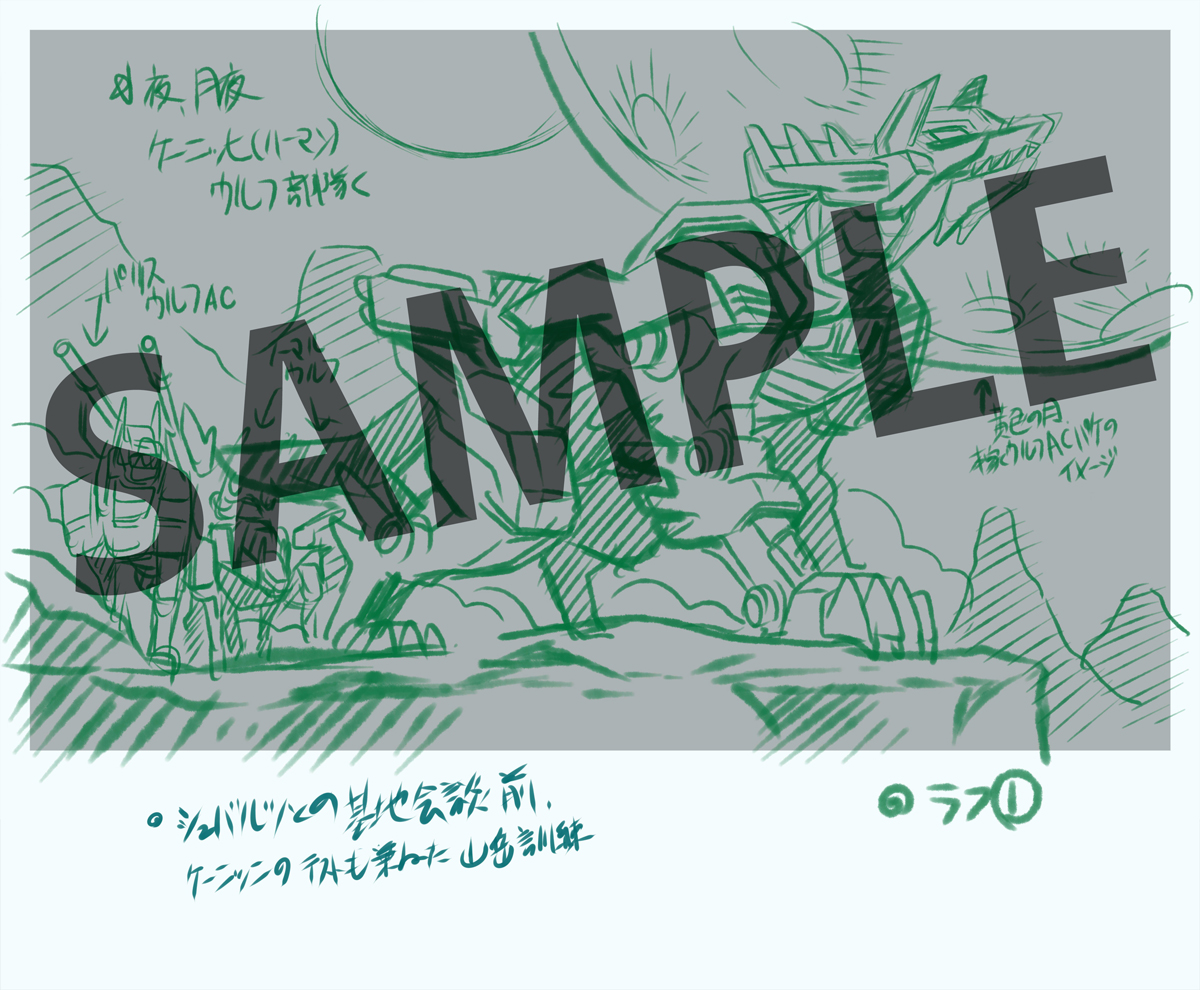
The König Wolf had several box concepts based on its historic scenes. The first depicted it in a hangar, a shout out to its NJR-era box art. Because the standard Wolf doesn't come with the missiles or sniper rifle it was requested that the box art not depict them installed, so they were instead moved to an unequipped position.
The second concept depicted the 'Messenger' scene from Official Fan Book 4, where Schwarz, in spite of being injured, traveled great distances alongside Hermann and his König Wolf to stop the bloody war being fought under false pretenses. Had it not been for them, the two armies would've caused so much more damage to each other based on Prozen's deception.

The final box art shows the König Wolf leading a pack of Command Wolves. This was the version ultimately chosen for the final image.
- Disclaimer
Please note! The info on this page (including the story) relies on automatic translation. It likely contains errors, and exists only to give users the gist of what is being said, until better translations are available.